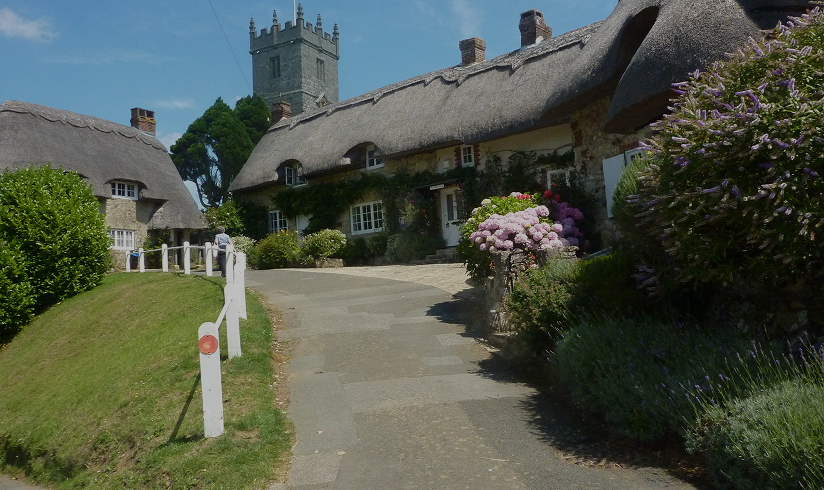
The Isle of Wight is dotted with charming villages that feel like stepping back in time. The thatched cottages, cosy cafés, and historic pubs are what many think of when they picture a “quintessential English village”. Here’s our top picks of the best Isle of Wight villages to visit on your holiday.
1. Godshill
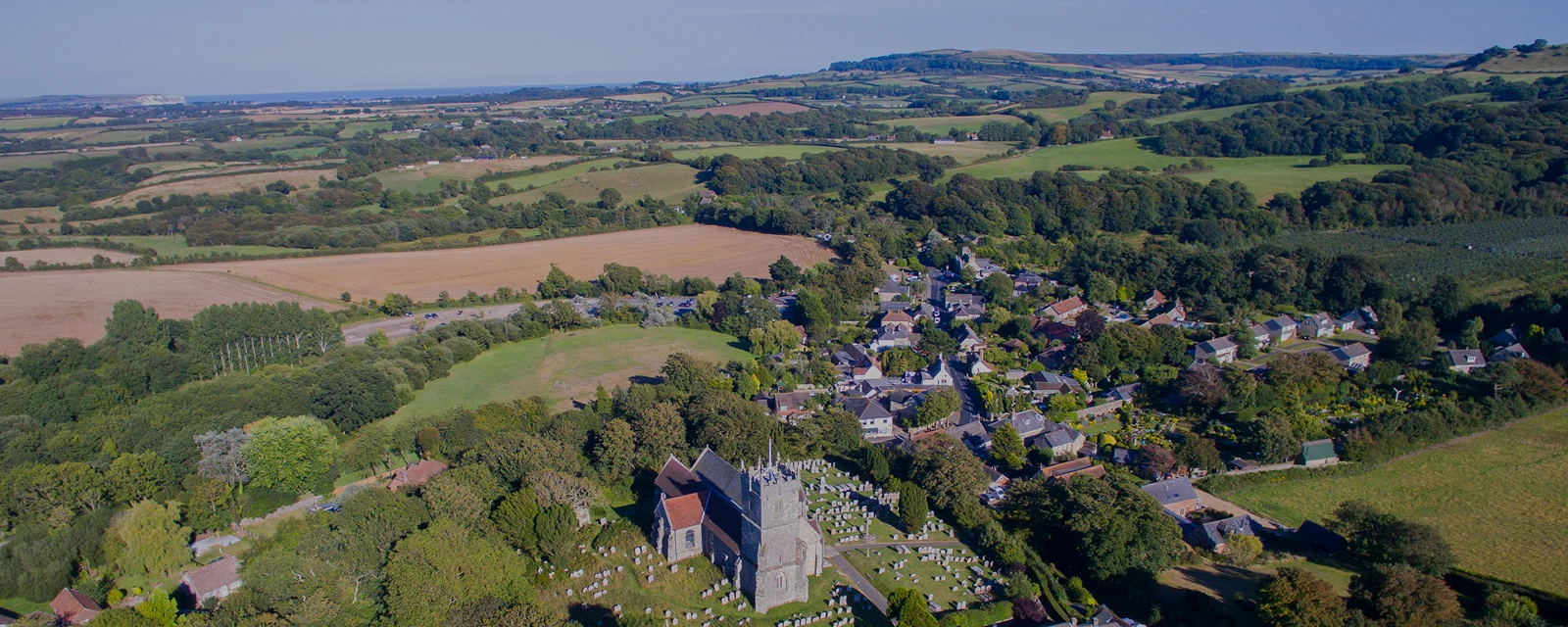
Nestled in the heart of the Island, Godshill is regularly referred to as the prettiest village on the Island. The village is one of the ancient parishes that existed before the compilation of the Domesday Book, back when its name was spelt ‘Godeshulle’.
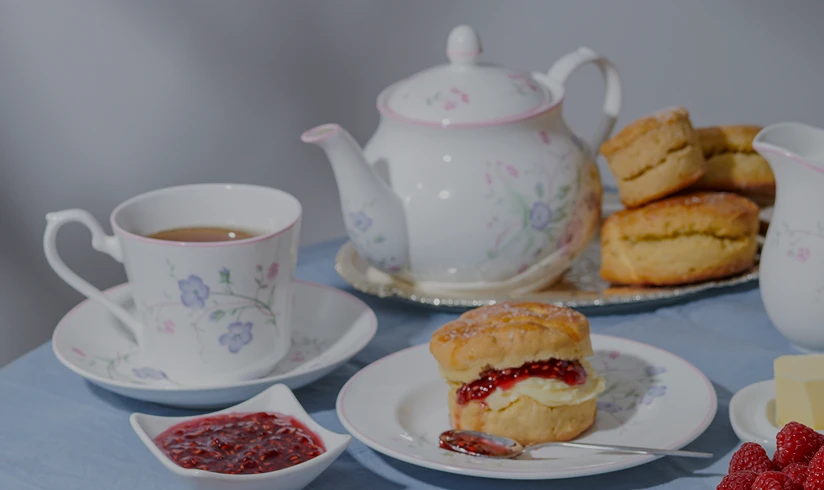
Walking along the streets of Godshill it’s easy to picture what it would have been like back then as much of it hasn’t changed. There are plenty of thatched cottages, old pubs, and tea rooms to enjoy. To take in panoramic views of the village and surrounding countryside, take a trip up the hill to the historic St. Mary’s Church.
Godshill Model Village allows you to wander through incredible scale models of Shanklin and Godshill as they looked in the 1920s, recreated at 1/10th scale. As an RHS partner, the Model Village also has over 3,000 trees and shrubs that are expertly tended to here as well.
There are several gift shops to peruse, including The Old Smithy, Island Gems, Westmead Teddies, and Daisy Daisy. You can also stock up on fresh juices, chutneys and jams from Godshill Orchard.
2. Shanklin Old Village
You may feel like you’re stepping straight into a storybook in Shanklin Old Village which is full of charm. There’s plenty of places to eat and drink, which all naturally lend themselves to being photographed due to their beauty. The Old Thatch Teashop has a whimsical appearance with its thatched roof and pink walls, whilst two pubs, The Village Inn and The Crab, also have thatched roofs with a limestone exterior.
Nearby Shanklin Chine is the Island’s oldest visitor attraction. It’s been drawing visitors for over 200 years with its natural beauty and wonderful waterfalls. To enjoy some old-fashioned crazy golf, head to the award-winning Rylstone Gardens which is also home to another tearoom (there can never be too many tearooms!).
Shanklin Old Village leads into the main town of Shanklin which has a good-sized High Street, lined with shops, restaurants, and bars. We really recommend visiting Shanklin Old Village as it has some of the Island’s oldest buildings, and being next to the main town means there is so much to see and do here.
3. Bonchurch
The village of Bonchurch is tucked between Ventnor and the dramatic slopes of St Boniface Down. Known for its impressive cliffside, this village was a popular spot for writers like Charles Dickens and Algernon Charles Swinburne. Just a few minutes amongst the lush greenness here and it’s easy to see why it provided lots of inspiration to write.
St Boniface Down is the highest point on the Isle of Wight and a protected Area of Outstanding Natural Beauty. St Boniface was a missionary, and the Down is named in his honour. This area has remnants of WWII radar stations and Cold War structures, giving it an interesting historic layer to walks.
The Down is also home to Boniface Well, a small, historic spring considered to be holy water. The site was regularly visited in the past due to its association with blessings, healing, and spiritual reflection. Unfortunately, the Well was relocated in 2009 and is no longer easily accessed by the public.
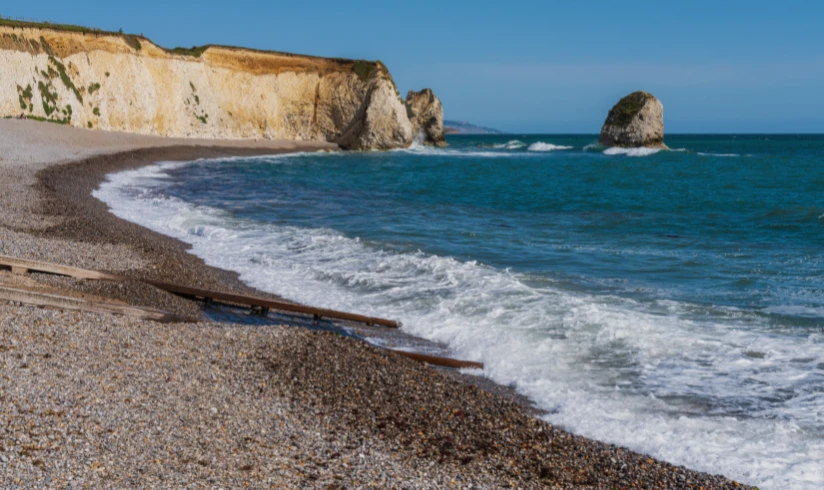
Close to Bonchurch village is Monks Bay which is lovely for a quiet stroll. It is mostly shingle with rocky areas, backed by sea walls and cliffs, so it isn’t a typical sunbathing beach. But it’s great for rock pooling and has a wild, unspoilt atmosphere, that is lesser known by tourists.
Tucked along the shoreline is Bonchurch Pottery, which celebrated its 50th anniversary in 2024. It offers a wide range of pottery pieces, from mugs and vases to house number plates.
4. Brighstone
Brighstone is a rural village popular with walkers and cyclists. Brighstone Down is a chalk hill with panoramic views across the Isle of Wight and the English Channel. Often far from tourist crowds, it’s ideal for peaceful walks, wildlife spotting, and photography.
In this area you can go on a hunt for Brighstone’s famous Dragon Tree. It is a short walk along footpath number BS23 (look out for road signs). It gets its name from the local story that a dragon was slain in Brighstone and was immediately transformed into a tree. This is especially fun to do on a hot summer’s day as you can have a splash and cool off in the stream.
Another rather unique activity you can do in Brighstone is try your hand at stained glass. You can book onto a one-day course or 2.5-hour taster session with the Coralesce Stained Glass Company and come away with your own handmade souvenir.
5. Wootton Bridge
The village of Wootton Bridge is one of the stops on the Isle of Wight Steam Railway - a perfectly preserved historic railway which is one of the Island’s most popular visitor attractions. The village has a creek that looks very picturesque, particularly at sunrise and sunset. The pond on the creek is part of a Special Area of Conservation, and the heron has been endearingly adopted as the symbol of the village.
The Sloop Inn (now called Tide Mill) is the prominent pub in the village that’s around 150 years old. Opposite the pub is the beginning/end of a circular 3.3-mile trail around wildlife-rich ancient woodlands.
Just a five-minute drive away from the centre of Wootton Bridge is the Isle of Wight Emporium, and has over 25 traders under one roof. There is a fantastic mix here of vintage decor, antiques, vinyl, furniture, handmade gifts, and quirky collectables. Further up from the road from the Emporium is Wild Oak Farm, with a farm shop full of fresh produce to purchase.
Insider tips for exploring Isle of Wight villages
- Timing: As you can imagine these villages can get busy in peak season with tourists wanting to see them, particularly Godshill and Shanklin. Early mornings or evenings are better for avoiding crowds and capturing photos.
- Transport: Most villages are accessible by car or bus. However, walking or cycling, if you’re able to, can help you discover hidden corners and you don’t have to worry about finding a parking space.
- Seasonal highlights: We’re biased of course, but the Isle of Wight is truly a stunning holiday destination all year round. If you visit these villages in spring and summer, you’re more likely (not guaranteed!) to enjoy sunshine and blue skies, plus pops of floral colour. Autumn is perfect for warm hues and smaller crowds, and winter is perfect for cosy hot drink stops and a more peaceful escape.
Ready to explore? Check out our collection of Isle of Wight self-catered holiday homes and start planning your unforgettable village explorations today!