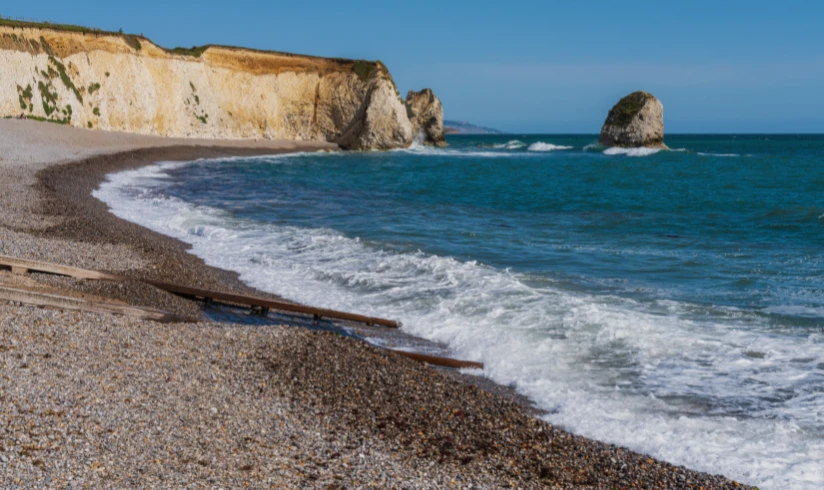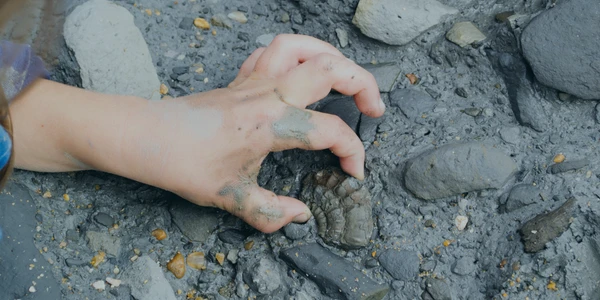
Did you know that the Isle of Wight is one of the richest dinosaur fossil locations in Europe? More than 20 species of dinosaur have been identified from the Island, with its southern coastline revealing rocks dating back around 125 million years.
For fossil hunters, that makes the Isle of Wight a pretty special place to explore. From dinosaur footprints and fossilised wood to fragments of bone and teeth, you never quite know what you might discover among the rocks and shingle.
Whether you are an aspiring palaeontologist, a keen fossil hunter or simply looking for a fun and unusual day out, here is our beginner's guide to fossil hunting on the Isle of Wight.
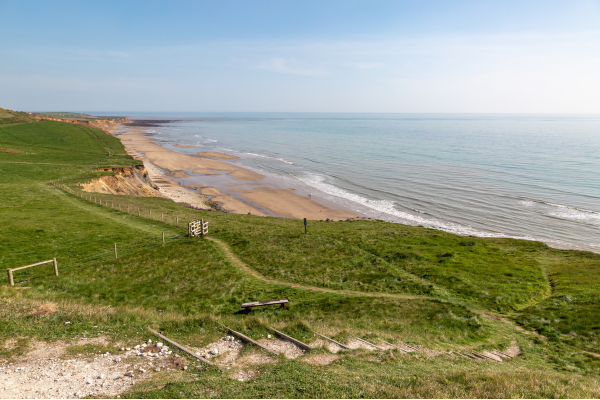
Top spots for fossil hunting on the Isle of Wight
The Island has a number of excellent fossil-hunting locations, although different beaches offer the chance to find different types of fossils. For dinosaur remains, the south-west coast is particularly important.
Compton Bay: One of the best-known fossil-hunting locations on the Island and a great place for beginners. Search among loose gravel and stones on the beach, where you may find fossilised dinosaur bone, teeth and wood. The area is also famous for its dinosaur footprints, which are particularly visible around low tide.
Hanover Point: Just east of Compton Bay, Hanover Point is one of the Island's most famous dinosaur locations. Large three-toed dinosaur footprint casts can be seen at the base of the cliffs, while other trackways are exposed on the foreshore at low tide. Remember that the footprints are protected and should not be removed or damaged.
Brook Bay and Brook Chine: The coastline around Brook is particularly rich in dinosaur remains and plant fossils. The stretch between Brook and Compton bays is regarded as one of the best places to search for loose dinosaur material, particularly after the beach has been uncovered by the tide.
Brighstone Bay: This stretch of south-west coastline forms part of the Island's important Wealden fossil beds. It has a long history of dinosaur discoveries and is connected to the work of Reverend William Fox, one of the pioneering fossil hunters who explored the Island during the 19th century.
Chilton Chine: Another location along the south-west coast where fossil-hunting trips take place. The area forms part of the Island's dinosaur-rich Wealden outcrop and can produce a variety of fossil material. Guided fossil-hunting trips also visit the area.
Atherfield and Shepherds Chine: Further west along the south coast, Atherfield is another location where organised fossil hunts take place. It forms part of the same important geological sequence that runs along the south-west coast and is worth considering if you want to explore beyond the more famous Compton and Brook areas.
Grange Chine: This remote stretch of coastline is another location used for guided fossil-hunting trips. It is part of the wider fossil-rich coastline running along the Island's south-west coast.
Yaverland: At the eastern end of Sandown Bay, Yaverland is another important dinosaur fossil locality. The cliffs and foreshore expose the Wessex Formation, which has produced dinosaur bones, teeth and footprints.
Sandown Bay: The wider Sandown area is a good option if you want to combine fossil hunting with a traditional seaside day out. The nearby Dinosaur Isle museum is particularly useful for learning more about the Island's prehistoric history and identifying interesting finds.
Watershoot Bay: If you are interested in fossils beyond dinosaurs, Watershoot Bay near St Catherine's Lighthouse is well worth exploring. Its younger Cretaceous rocks can produce marine fossils including ammonites, bivalves, brachiopods and shark fossils.
Thorness Bay: On the north-west coast, Thorness Bay offers something quite different from the dinosaur-rich beaches of the south. The rocks here are around 40–28 million years old and can contain fossils of shells, fish, turtles, mammals and even alligators.
If you're primarily interested in dinosaurs, however, Compton Bay, Hanover Point, Brook Bay and the wider south-west coast are the places to start. The National Trust describes the area between Brook Bay and Compton Bay as one of the best places to search for loose fossils.
What might you find?
You don't need to be an expert to start spotting fossils. Dinosaur bone can often appear black and shiny and may have a distinctive honeycomb-like texture when broken or weathered. Fossilised wood can also be black, but is generally less dense and lacks the honeycomb structure of bone.
Depending on where you go, you could also encounter fossilised plants and wood, shells, ammonites, shark material, sea urchins and other prehistoric remains. At Compton Bay, the dinosaur footprints themselves are arguably the most spectacular discovery of all.
Don't worry if you can't immediately tell what you've found. Taking photographs and asking experts at Dinosaur Isle or joining an organised fossil walk can be a great way to learn more.
Essential gear to pack
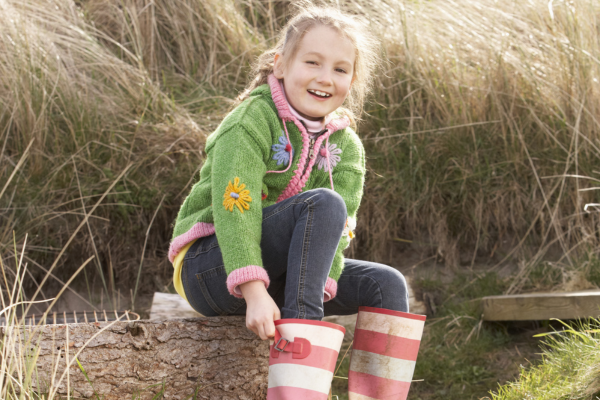
You don't need a professional palaeontology kit to enjoy fossil hunting. In fact, organised fossil walks often recommend bringing no tools at all. But here's some of the things we'd suggest bringing.
Sturdy footwear or wellies: Beaches can be rocky, wet and slippery, particularly around the fossil-rich areas.
A small bag or bucket: Useful for carrying small, loose finds – but remember that you don't need to collect everything.
A hand lens or magnifying glass: Handy for getting a closer look at small fossils and textures.
Your phone or camera: Taking photographs is particularly useful if you find something unusual that should be left in place.
Tide times: Perhaps the most important thing to bring is knowledge of the tide. Many of the best fossil-hunting areas are only accessible or visible at low tide.
Join a guided fossil hunt
If you're completely new to fossil hunting, joining a guided walk can be one of the best ways to get started. You'll learn where to look, how to identify different fossils and, importantly, how to explore the coastline safely.
Dinosaur Isle and specialist local guides such as Wight Coast Fossils run fossil walks at different locations around the Island. Some walks take place at low tide and provide a safety briefing and guidance on local geology and palaeontology.

Golden rules for safe and responsible fossil hunting
Fossil hunting is an exciting way to explore the Island, but safety and conservation should always come first. Here's what to consider if you go it alone and not as part of a guided tour.
Never climb the cliffs. The Island's cliffs are unstable and rockfalls can happen without warning. Stay on the beach and keep a safe distance from the cliff face.
Check the tides before you leave. A low tide can reveal some fantastic fossils and dinosaur footprints, but the incoming tide can quickly cut off sections of coastline. Always check tide times and think about your route back before setting off.
Don't hammer or dig. The National Trust specifically advises visitors at Compton Bay not to use hammers and not to dig into the cliffs. Serious investigations require permission.
Leave significant discoveries where they are. If you discover something particularly interesting, especially something embedded in rock or the cliff, don't try to remove it. Photograph it and report it to the appropriate experts so it can be properly investigated and recorded.
Don't collect protected footprints. The famous dinosaur trackways are there for everyone to enjoy and should never be damaged or removed.
Take only loose material. If you find a small, loose fossil that you are permitted to collect, you can take it home, but there's no need to collect everything you see. Responsible collecting helps protect the Island's unique geological environment for future visitors.
With its dinosaur footprints, fossil-rich coastline and remarkable geological history, the Isle of Wight offers a genuinely unique opportunity to get up close to the prehistoric past. You might not uncover a complete dinosaur skeleton – but even a tiny piece of fossilised bone can make for a pretty memorable souvenir.
Looking to visit the Isle of Wight for a fossil hunt? Discover what self-catering holiday homes we have available.