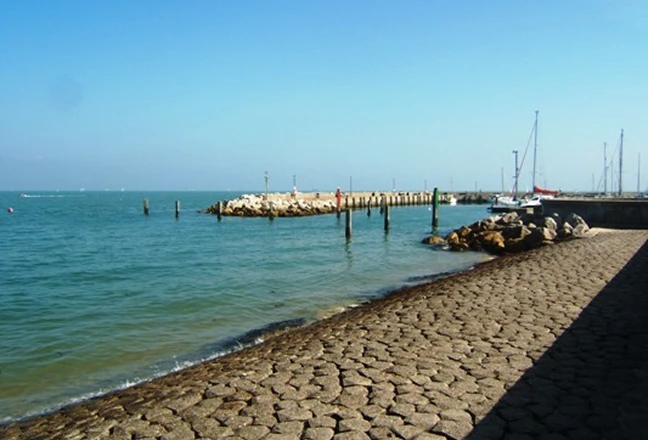
Ryde’s story is one of transformation. Once a small coastal village, it blossomed into a fashionable resort when Queen Victoria made nearby Osborne House her family home. The Victorians built elegant terraces, gardens, and Ryde Pier - an iconic landmark. The Museum of Ryde shares over 200 years’ worth of history of the area.
Ryde stretches along the Island’s north-east coast, offering some of the best beaches on the Isle of Wight. Ferries from Portsmouth and Southsea dock here. Ferries from Southampton dock at Cowes/East Cowes which are around 30 mins by car or 50 mins by bus to Ryde.

Ryde makes a brilliant base for island exploring. Browse our holiday homes in Ryde — from beachfront homes on the sandy shoreline to Victorian townhouses near the pier and ferry terminal.
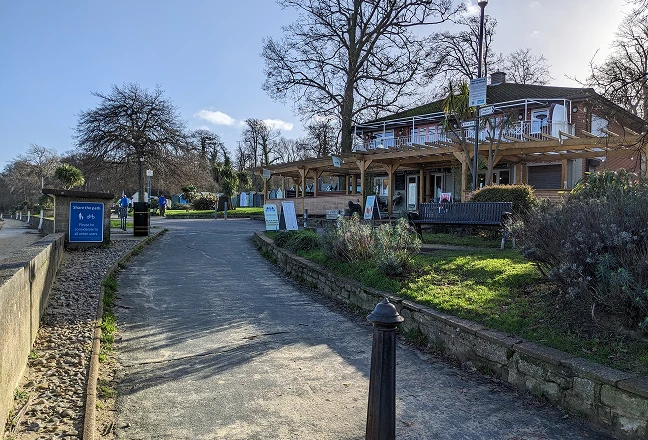
Appley Beach is one of Ryde’s gems: clean, sandy, and family-friendly, perfect for building sandcastles, paddling in the water, and enjoying the sea breeze. It is backed by parkland where you’ll find Goodleaf Tree Climbing experiences.
Also in this area is Appley Tower, a small 19th-century Gothic folly which makes a great photo stop. Further along the coastline you’ll find Puckpool Park, a great green space for playing, picnicking and walking.
Ryde is home to the Isle of Wight Bus and Coach Museum which has around 20 historic vehicles to see, whilst the Donald McGill Postcard Museum pays homage to the man deemed “King of the saucy postcard”!
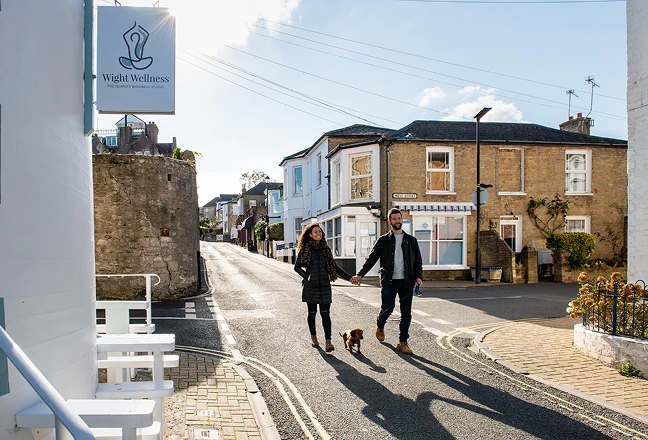
Union Street is the main shopping area in Ryde, which leads into the High Street. This is where you’ll find the majority of shops and places to eat. Just down the road on Dover Street you’ll find The Lost Crypt, the UK’s first escape room inside a real church.
If you’re holidaying on the Isle of Wight in summer, Isle of Wight Pride (July) and Ryde Carnival (August) both transform the town of Ryde into a lively celebration.

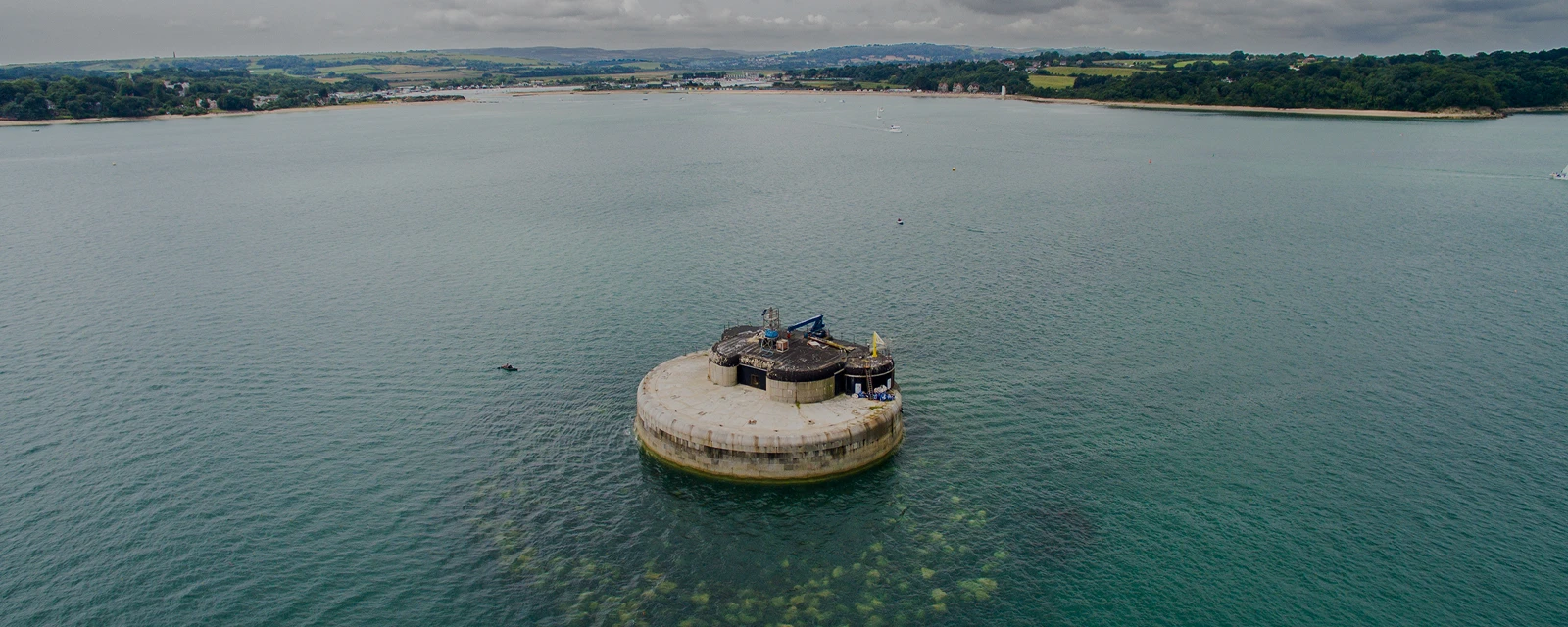
As the main arrival point from the mainland - via hovercraft, passenger ferry, or catamaran - Ryde is often the first stop for many visitors. This means it has great transport links with regular bus routes to different towns, plus the Island Line train runs from the pierhead through to Shanklin.

The Beatles’ hit “Ticket to Ride” was inspired by a trip Paul McCartney and John Lennon took to Ryde in the early sixties.
Ryde is known as the gateway to the Isle of Wight from Portsmouth. It is famous for Ryde Pier (one of the longest and oldest pleasure piers in England, opened 1814), its long sandy beach, the world's only remaining scheduled passenger hovercraft service, and the Island Line railway along the pier.
Ryde Pier stretches over 600 metres into the Solent — one of the longest pleasure piers in the UK. The pier opened in 1814 and was among the first in England to have a railway running along its length. Walking to the pierhead and back takes approximately 20–25 minutes.
Two services run from Portsmouth to Ryde. The Hovertravel hovercraft from Clarence Pier in Southsea takes approximately 10 minutes. The Wightlink passenger catamaran from Portsmouth Harbour takes approximately 22 minutes, arriving at Ryde Pier Head where the Island Line train runs onward to Sandown and Shanklin.
Yes — Appley Beach, approximately 10 minutes' walk east from the pier, is the recommended family beach: clean, sandy, and sheltered, with Appley Park directly behind it.
The Hovertravel hovercraft is one of the last remaining scheduled passenger hovercraft services in the world — a 10-minute crossing between Southsea and Ryde, carrying passengers only. A genuinely memorable experience and the fastest way to reach the island from the Portsmouth area.
Yes — Appley Beach, Ryde Pier, the hovercraft crossing, the Island Line train, and the Bus and Coach Museum all make Ryde an excellent family destination. Its transport connections also make it the best base for exploring the island by public transport.
Join our mailing list for early-access discounts, seasonal deals, and hand-picked inspiration to help you plan your next Island break.