Yarmouth has been a settlement for over a thousand years, and is one of the earliest on the Island. It was originally called Eremue, meaning "muddy estuary". Its natural harbour made it an important point for trade, fishing, and transport. In the 16th century, Henry VIII built Yarmouth Castle as part of a chain of coastal defenses to protect against French invasion. Today, much of its historic charm remains, with cobbled streets, Georgian and Victorian buildings, and the castle serving as a reminder of its past.
Yarmouth is a small town on the northwest coast of the Isle of Wight, overlooking the Solent and facing mainland Hampshire. It sits at the mouth of the River Yar. It’s close to several other Isle of Wight towns and villages including Totland and Freshwater, and about 10 miles east of the Island’s main town, Newport.

Yarmouth is one of the island's most charming harbour towns. Browse our holiday homes in Yarmouth — from quayside cottages near the castle to rural retreats a short walk from the Lymington ferry.
Yarmouth offers a great balance of attractions covering history, adventure, and relaxation. You can’t not visit Yarmouth Castle, a small but striking 16th-century coastal fort built by Henry VIII and offering panoramic sea views.
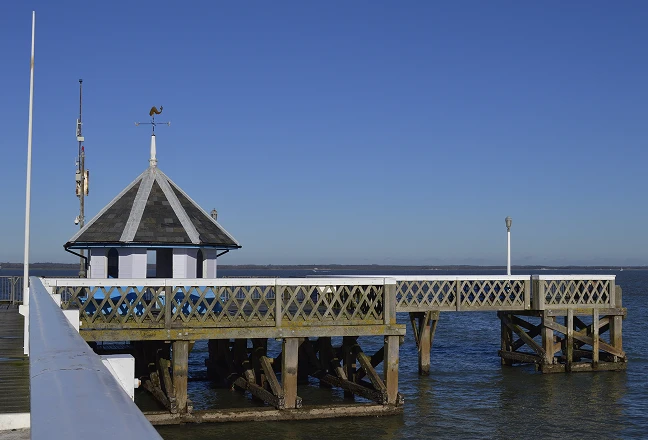
The Yarmouth Pier is another must-visit, being one of the oldest wooden piers in England. It is perfect for a stroll any time of day, but looks especially wonderful at sunset.
Families will love exploring nearby beaches like Colwell Bay and Totland Bay - they both offer golden sands and calm swimming waters. You’re also not far from the sandy Freshwater Bay too, and the iconic landmark of The Needles.
For walkers and cyclists, you’ll enjoy the scenic footpath that was a former railway track between Yarmouth and Freshwater. You can start at Yarmouth (near the "Off The Rails" cafe, which is a former station building) and follow the path for a 4-mile round trip.
The Isle of Wight loves its animals and West Wight Alpacas arguably houses some of the most adorable. Set within 23-acres of picturesque countryside in the village of Wellow, you can meet and take a walk with unique Suri alpacas and Suri llamas.
If all of that isn’t enough, you have Fort Victoria Country Park in Yarmouth, which houses a seasonal Reptilarium, planetarium, museum and cafe. Plus, just a 10-minute drive away is Tapnell Farm - a farm-themed amusement park with a variety of activities including a petting zoo, go-kart rides, sledge slides and play areas.

Yarmouth is well connected by the Southern Vectis bus network, linking it to Newport, Freshwater and other west-coast destinations. For those exploring by car, scenic coastal drives lead east towards Cowes or south to the Island’s dramatic cliffs and beaches.
Cyclists can enjoy the Yarmouth–Freshwater cycle path, part of the old railway line route, offering safe and scenic travel along the River Yar.

In 1784, a drunk ship's captain stole what he thought was a case of wine after a court dinner. When he discovered it was “just a case of books”, he threw it overboard, losing most of Yarmouth's ancient charters by doing so.
Yarmouth is known for its historic harbour, Yarmouth Castle (a Henry VIII coastal fort, c.1547, English Heritage), one of England's oldest working wooden piers, the direct Wightlink ferry from Lymington, and for being the smallest town in England to have a mayor.
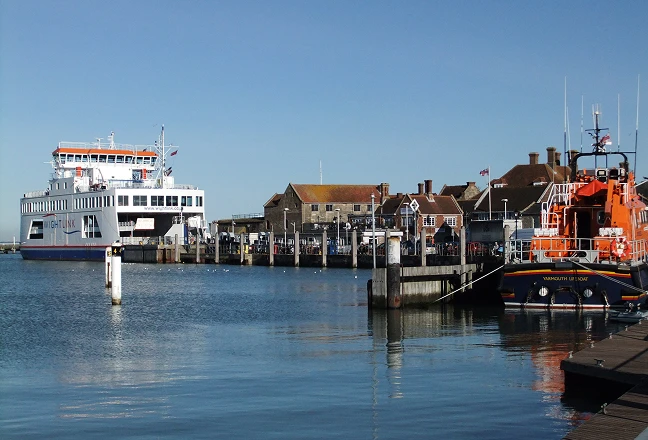
The most direct route is the Wightlink car and passenger ferry from Lymington Pier, docking directly in Yarmouth Harbour (approximately 40 minutes). Also accessible from the Red Funnel terminals in Cowes and East Cowes by car (approximately 20 minutes).
Yes — Yarmouth Castle is one of the Isle of Wight's most significant historic landmarks. Built during the reign of King Henry VIII, it offers visitors the chance to explore well-preserved fortifications, learn about the island's coastal defences, and enjoy impressive views across the Solent. Its compact size makes it easy to visit as part of a day exploring Yarmouth and the surrounding coastline.
Very much so — the castle, pier, quayside, and cycling routes appeal to all ages. Colwell Bay and Totland Bay are excellent family beaches nearby. The town is compact and safe for children to explore on foot.
The George Hotel restaurant is the headline choice — reserve in advance. The Bugle Inn is an excellent pub option year-round. Quayside cafés are ideal for a casual harbour-view lunch. The harbourside fishmonger is the best stop for self-catering guests wanting fresh fish.
Approximately 3 miles by road (around 10 minutes by car) or 5 miles along the Freshwater Way cycling route (30–45 minutes by bike on a largely traffic-free path). The Needles Landmark Attraction at Alum Bay is a further 4 miles beyond Freshwater.
Join our mailing list for early-access discounts, seasonal deals, and hand-picked inspiration to help you plan your next Island break.